Apr 15, 2025 / Film / 3 min read
How an Aerial Unit Fits Into a Georgia Film Production Day
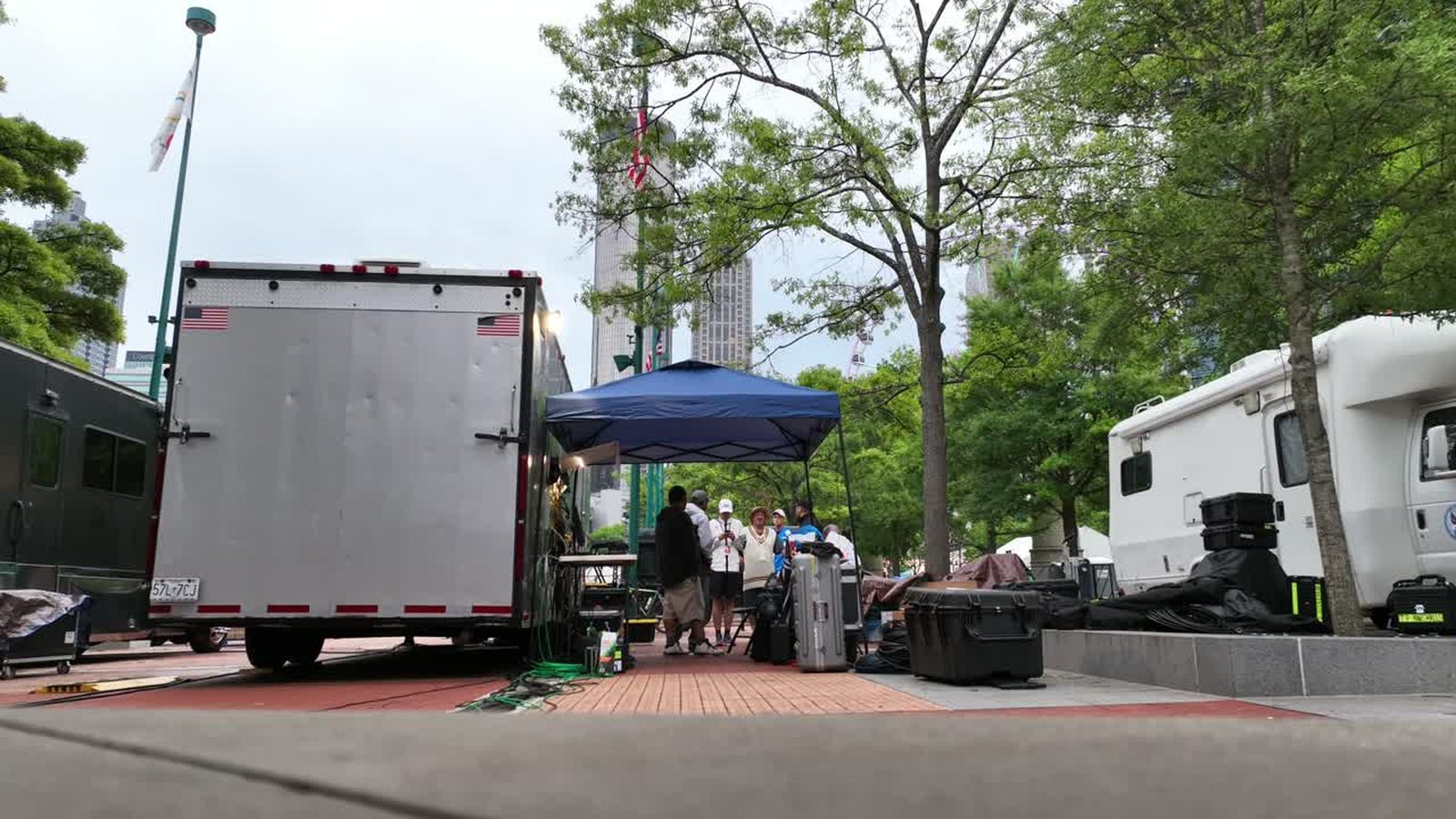
Georgia shoots a lot of film and television, and aerial work has become a standard part of the package rather than an event. The part that surprises people who have only hired drones for corporate work is how little of a production day is spent flying.
Where the aerial unit sits
On most days we are a second unit that plugs into the main unit's schedule. That means the shot list is agreed in prep, the windows are negotiated with the first AD, and the aircraft goes up during specific slots rather than whenever the light is nice. Everything is subject to being moved, because the main unit is the main unit.
On smaller productions the aerial unit is the only unit for a morning, which is simpler and gives better results, since the day can be built around the light rather than around a cast schedule.
What we need from production
Four things, and they are usually decided long before we arrive. Locations, so airspace can be checked and any authorization started, since a location that needs further coordination near an airport takes days rather than minutes. Whether anyone is in the shot, because flying above cast and crew is governed by the operations over people rules and by whether they have been briefed as participants. Whether there is a closed set, which changes what is possible. And a realistic idea of the frame, since a move that sounds simple in a meeting can be impossible in the airspace over that particular street.
The safety brief nobody skips
Every day starts with a brief covering the flight area, the takeoff and landing zone, who has authority to call an abort, and where the aircraft goes if anything fails. On a set the abort call belongs to more people than on a commercial job, and that is correct. Any department head who sees a problem should be able to stop the aircraft without hesitating.
The landing zone gets marked and kept clear, which sounds obvious until a grip truck parks in it during a reset.
Matching the main unit
Aerial footage that does not cut with the rest of the material is worthless, however good it looks alone. That means matching frame rate, shutter angle, colour profile, and where possible sensor characteristics with whatever the A camera is running. If the show is shooting at 23.976 in a log profile, the aerial unit does the same, and the LUT the DIT is using goes on our monitor too.
Getting this wrong produces a beautiful shot that the colourist cannot match, and it always gets discovered at the worst moment. We wrote about the workflow side of this in post production.
The waiting
Batteries last around twenty minutes and the aircraft is only airborne for the take. The rest of the day is standing by, repositioning, swapping packs, and watching the sky for the weather that will end the session. A crew that gets impatient with that rhythm is a crew that will eventually push a flight it should not have.
What Georgia gets right
The infrastructure here is deep enough that an aerial unit can be added to a production at short notice, and local crews know the airspace around the studios well. The tax credit keeps the volume high, and the volume means the standards on a set are professional in a way they sometimes are not on corporate work.
We have worked with production companies across the Southeast, which we touched on in our studio work.
If you have a production coming to Georgia and you need an aerial unit that will not slow your day down, get in touch during prep, not the week of the shoot.