Jan 16, 2024 / Working with us / 3 min read
Five Questions That Separate a Drone Pro From a Hobbyist
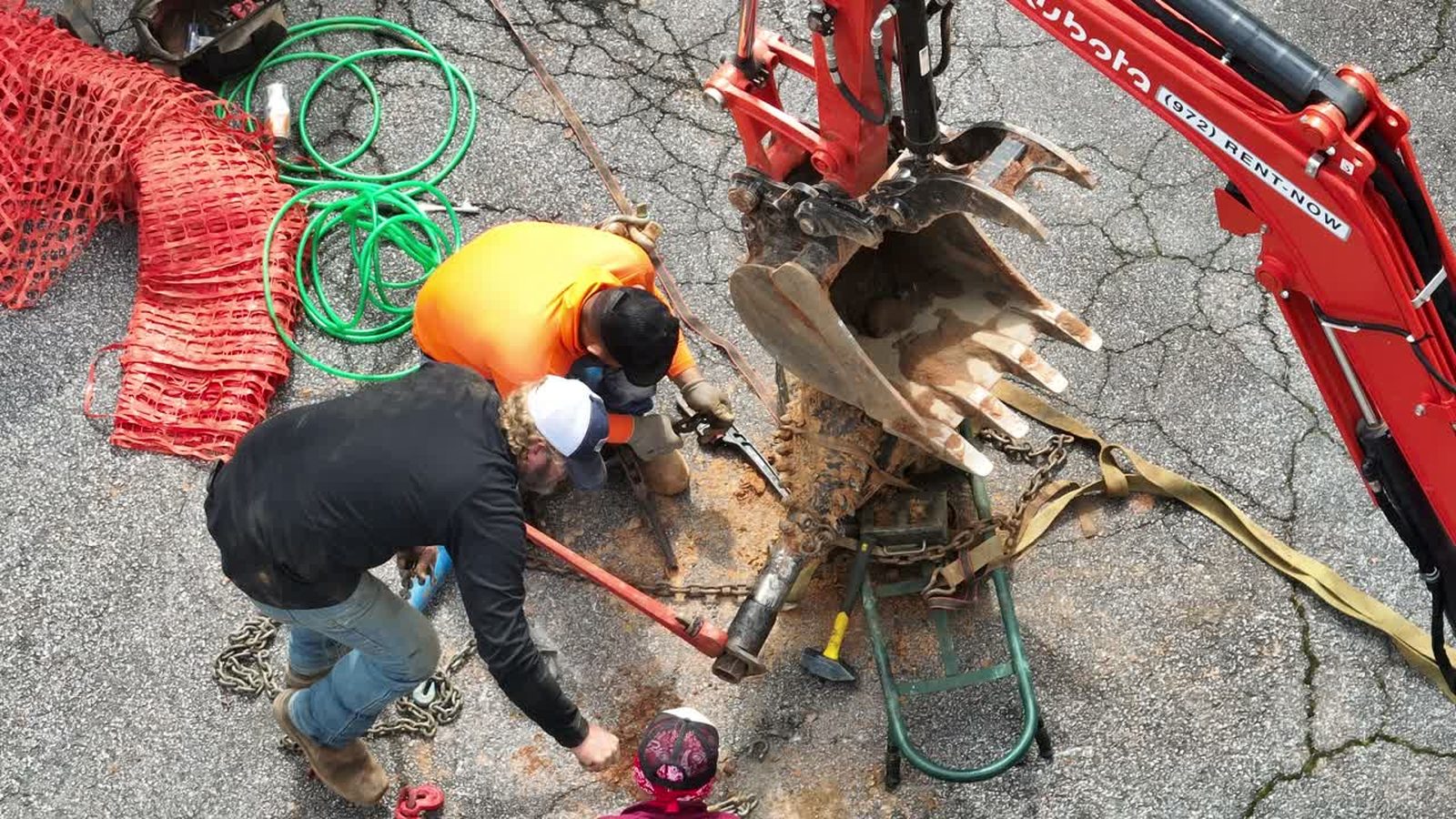
Anyone can buy a capable drone for less than a laptop costs. That is a good thing for the hobby and a complicated thing for anyone hiring. The gap between someone who flies well and someone who can legally fly your project is not visible in a portfolio, so here are the five questions that expose it in about a minute.
One. Are you Part 107 certificated, and what is your certificate number
Any flight done for a business purpose, including free work that promotes a business, requires a remote pilot certificate. There is no small job exception and no favour for a friend exception. A certificated pilot will give you the number without pausing, because they carry it.
If the answer involves the phrase just a hobby, the flight is not legal on your property for your marketing, no matter how good the footage looks.
Two. Can I have your certificate of insurance
Ask for the document rather than the assurance. A working operator has a liability policy and can have the certificate emailed the same day, often with your company named as additional insured if your contractor requires it. Aviation liability is not the same as a general business policy, and a general policy will usually exclude aircraft.
This matters most on the sites where drones are most useful. Most general contractors will not let an uninsured operator onto an active site, and the ones who do are taking a risk on your behalf.
Three. How will you handle the airspace at my site
The answer should be specific. In Atlanta a good operator will already know whether your address sits under controlled airspace, roughly what altitude the grid allows, and whether the request goes through automatically or needs coordination. If the reply is a shrug, or worse, an assurance that nobody checks, you have learned everything you need to know.
We wrote about what that authorization process looks like in practice in flying safely near buildings.
Four. What happens if the weather turns
Georgia weather does not cooperate with schedules. The answer you want is that the flight moves and nobody is charged for the move. An operator who bills for a weather day is telling you they will be tempted to fly in marginal conditions, which is exactly when aircraft come down.
Ask what wind speed stops the job. Anyone who says wind does not affect them is either flying something enormous or has not been doing this very long.
Five. What am I getting, and who owns it
Pin down the deliverables and the licence in writing. How many finished images. What resolution and what format for video. How many rounds of revision. Whether you can use the material in paid advertising or only organically. Whether the operator keeps the right to show the work in their own portfolio.
None of this is contentious when it is agreed in advance. All of it turns awkward when a marketing team wants to run the footage as an ad two months later and discovers that was never part of the deal.
What good looks like
A professional welcomes these questions, because they are the questions that separate them from the person quoting half the price. The whole exchange takes a minute and it protects you from the two outcomes that actually hurt: footage you cannot legally use, and an accident on your property with no policy behind it.
If you want to run those five past us, start here. We will answer all of them before you ask, and we will tell you if your project needs something we are not the right crew for.