Jul 23, 2024 / Technique / 3 min read
Georgia Heat: Batteries, Density Altitude, and Summer Shoot Planning
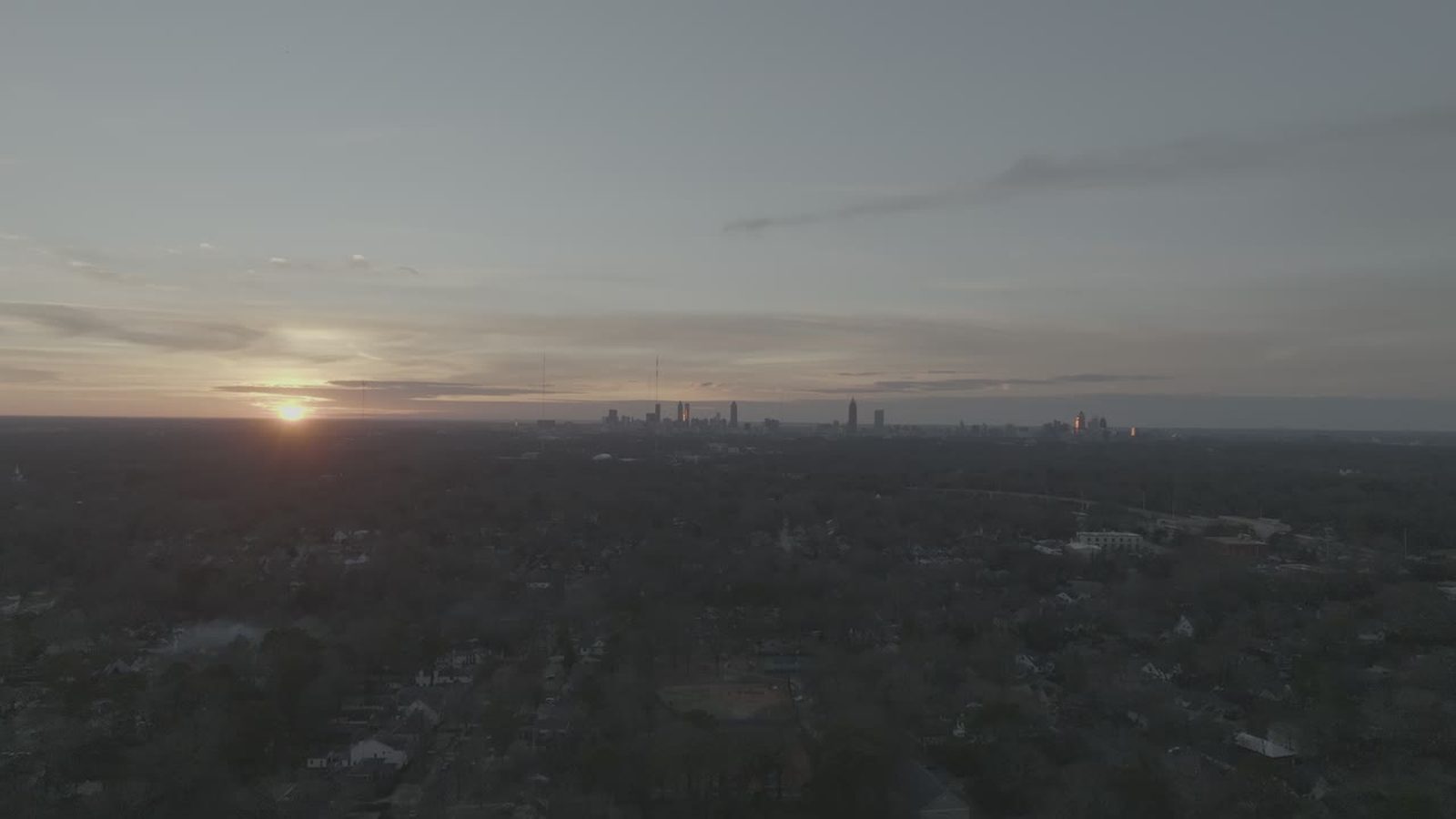
Manufacturer flight times are measured in comfortable conditions with a fresh battery and no wind. Nobody flies in those conditions in Georgia in July. Between the heat, the humidity, and the afternoon storms, summer is the season where planning matters most and where the specification sheet is least useful.
What heat does to a battery
Lithium polymer cells have a preferred temperature band, and Atlanta in July sits above it. Cells that start warm have less usable capacity, sag harder under load, and hit their low voltage warning sooner. A pack that gives twenty five minutes in April can give eighteen in July, and the drop is not linear at the end. The last few percent disappear quickly.
Storage is half the battle. Batteries left in a car in a parking deck are cooking, and a pack that goes into the aircraft already hot never recovers during the flight. We carry packs in an insulated case with cold packs, we let a pack come down before charging it, and we never charge a battery straight off a landing.
Density altitude, the invisible one
Hot air is thin air, and humid air is thinner still. Propellers work against the air, so on a hot humid afternoon a drone is effectively flying at a much higher altitude than the map says. Atlanta sits around a thousand feet above sea level to begin with. On a ninety five degree afternoon with high dew points, the aircraft performs as though it were considerably higher.
You feel it as sluggish climbs, more power needed to hold position, faster battery drain, and less margin in wind. On a heavy cinema platform with a full payload it is the difference between comfortable and marginal. This is the same effect that catches out pilots of light aircraft on summer afternoons, and it deserves the same respect from anyone flying something smaller.
The afternoon storm problem
Georgia summer weather is a clock. Mornings are usually workable, humidity climbs through the day, and by mid afternoon there is a good chance of a cell building somewhere in the metro. Those cells produce outflow winds well ahead of any rain, which is the part that catches people out. The sky above the site is still blue and the wind has just doubled.
We plan summer shoots for early morning wherever the light allows it. Golden hour on a July morning is also gentler on subjects and gives you a better picture than a harsh noon flight ever will, so the constraint mostly improves the work.
The equipment that matters
Beyond batteries, two things. Screens fail in direct sun, so a bright monitor or a shade is not a luxury. And the pilot is a system component. Heat exhaustion degrades judgement long before it becomes obvious, and a crew that has been standing on hot asphalt for three hours is not making the same decisions it made at nine in the morning. We rotate, we hydrate, and we do not schedule marathon summer days.
What this means for scheduling
If you have summer work in metro Atlanta, book early mornings, build in a weather day, and be sceptical of anyone who promises an afternoon slot in July without qualification. We covered the wider weather question in flying in bad weather.
Send us the site and the deadline and we will tell you which window is most likely to survive contact with a Georgia summer.