Dec 12, 2023 / Regulation / 3 min read
Flying Over People: Category 1 Through 4, Explained
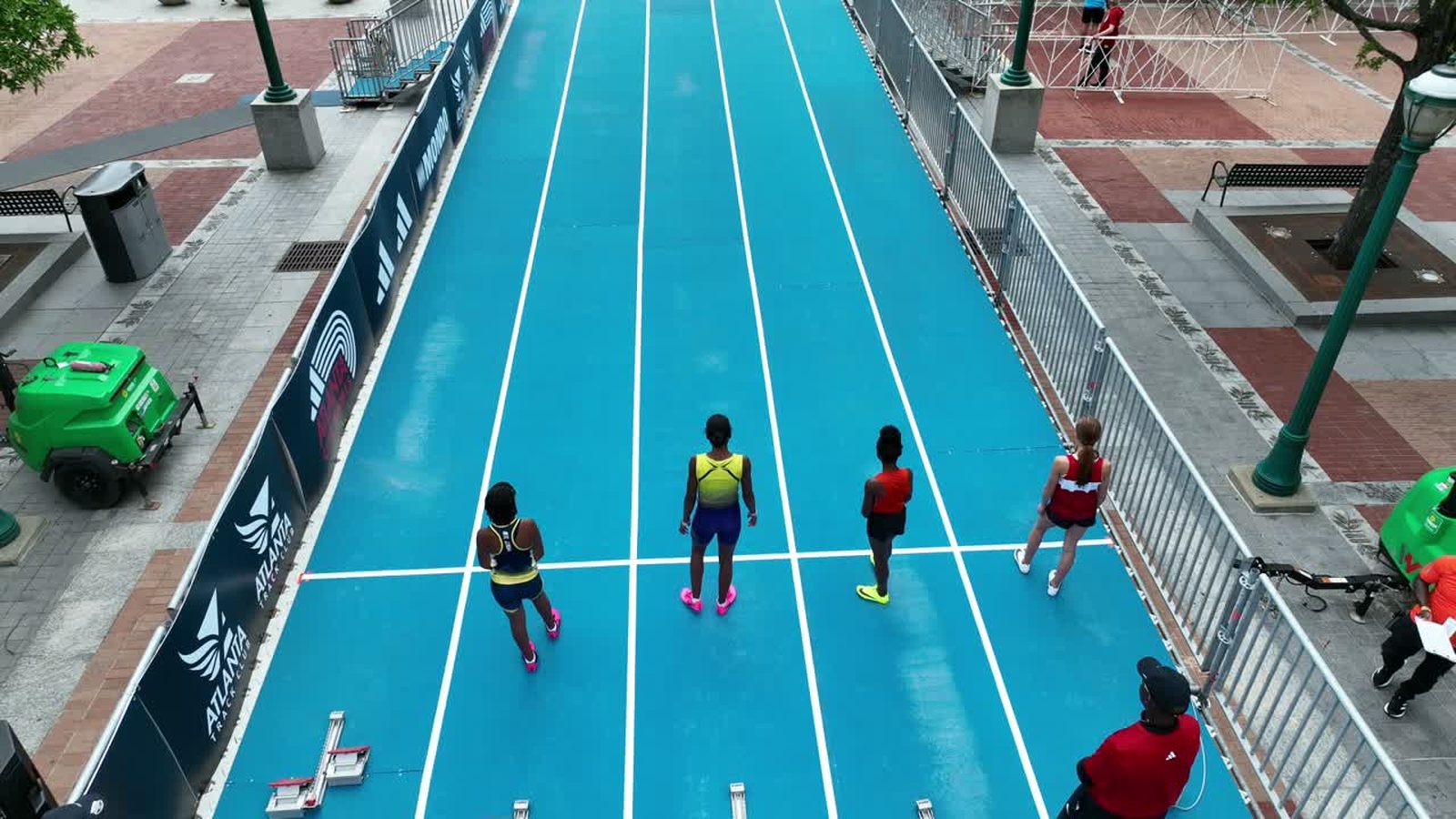
Every event enquiry we get arrives with the same unspoken assumption, which is that a drone can hover above the crowd and get the shot everyone has seen on television. Sometimes it can. Whether it can is decided mostly by which aircraft is flying, not by how good the pilot is.
The default is no
Under Part 107 the baseline rule is that you do not fly over people who are not part of the operation and not under cover. Everything else is an exception carved out of that. The exceptions came in with the operations over people rule, and they sort aircraft into four categories by how much damage they would do if they fell.
Category 1
Aircraft under 250 grams with no exposed rotating parts that could lacerate skin. This is the class that light consumer drones fall into, and it is the simplest route to a legal flight above people. The tradeoff is the aircraft. Small airframes carry smaller sensors, hold position worse in wind, and give you less to work with in the grade.
Category 2 and Category 3
Heavier aircraft that have been shown by the manufacturer to limit injury on impact, with a declaration accepted by the FAA. Category 2 allows sustained flight over people. Category 3 does not, and restricts you to closed sites or to transiting over people rather than loitering above them.
The important detail is that these categories belong to the aircraft, not to the operator. No amount of experience upgrades a Category 3 airframe into a Category 2 one. When a crew tells you they can hover over the crowd, the correct follow up is to ask which category the aircraft is and who declared it.
Category 4
Aircraft holding an airworthiness certificate, operated under the conditions in that certificate. This is the path used by larger cinema platforms on closed film sets, and it comes with maintenance and record keeping obligations that put it out of reach for most work.
What this means for an event in Atlanta
Most of the aerial coverage you actually want at an event does not require flying over anybody. A perimeter orbit at a sensible altitude, a rising reveal from behind the stage, an overhead of the field before gates open, and a wide of the site at golden hour will carry a highlight video, and none of it needs a person underneath the aircraft.
The pictures people imagine, straight down over a packed crowd, are the ones with the real constraints, and often they are also inside a stadium temporary flight restriction, which is a separate problem with a separate answer. We covered how we approach live events in live streaming sporting events.
The practical version
Three questions settle almost every event conversation. Will anybody be underneath the aircraft while it is flying. If yes, does the airframe qualify to be there. And is the venue inside a restriction that overrides all of it during the event.
Answering those honestly sometimes means telling a client that the exact frame in their reference video is not available on their site on their date. That is a better conversation to have three weeks out than on the morning of the event, and in our experience the alternative shot list usually gets used anyway.
If you are planning an event and you want to know what is actually possible above it, send us the venue and the date and we will check the airspace and the restrictions before you commit to anything.