Feb 8, 2024 / Regulation / 3 min read
No Flying Over the Big Game: How Stadium TFRs Work
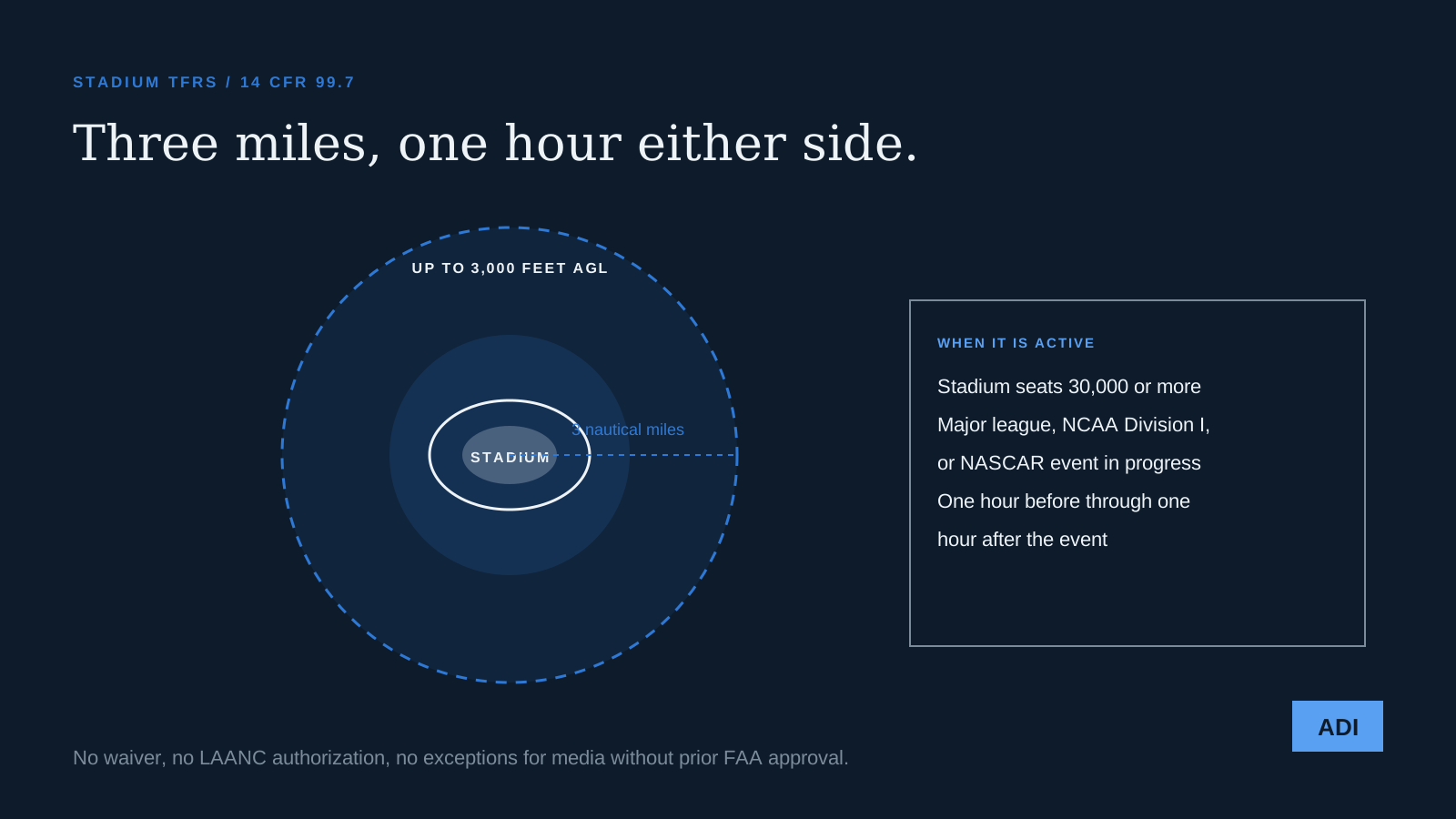
Super Bowl week always produces the same crop of stories about drones being brought down near stadiums, and the same confusion afterwards about what the rules actually say. The restriction is one of the few in aviation that is genuinely simple, and it is also one of the most frequently broken, usually by people who had no idea it existed.
The rule in one paragraph
Under 14 CFR 99.7, when a qualifying sporting event is in progress, a temporary flight restriction covers a three nautical mile radius around the stadium up to three thousand feet above ground. It starts one hour before the scheduled event time and ends one hour after. Qualifying events are Major League Baseball, National Football League, NCAA Division I football, and major motor speedway races, at stadiums seating thirty thousand or more.
Inside that bubble, drones are simply not permitted. There is no LAANC authorization for it, no media exception you can request the morning of, and no altitude low enough to be acceptable.
What it covers in Atlanta
Mercedes-Benz Stadium sits in the middle of downtown, so a three mile ring around it takes in a large slice of the city. Truist Park does the same for a section of Cobb County on game days. Bobby Dodd Stadium at Georgia Tech pulls the same restriction over the campus and the surrounding blocks during Division I home games.
The practical effect is that a perfectly ordinary commercial shoot, a property on the west side or a construction site near the connector, can be legal on Thursday and illegal on Sunday afternoon without anything at the site changing. This catches people out constantly.
Atlanta United and the seating question
The rule is written around specific leagues, which produces the odd result that not every packed stadium is covered by the federal restriction. That does not make the airspace open. Venue rules, local ordinances, and state law all apply on top, and since the middle of last year Georgia has had its own statute aimed at drones over ticketed events. Getting an angry security team and a police report is not much better than getting an FAA letter.
How to check before you fly
TFRs are published, and the ones tied to sporting events are predictable because the schedule is public. Before any downtown flight we check the day and time against the calendar of whatever is playing. The airspace apps show active restrictions, but they are a last look rather than a plan, because a restriction that activates while you are already flying is a restriction you should have anticipated.
What you can still get
Plenty. A stadium exterior on a non event day is unrestricted subject to normal airspace authorization, and it is a better picture anyway, because an empty bowl reads more cleanly from the air than a crowd does. Site progress work on a downtown build continues on any day without a game. Event coverage moves outside the ring, which for most venues is closer than people expect.
Event coverage of the kind we describe in live streaming sporting events mostly happens outside the ring anyway. What is not available is the shot over a full stadium during a game. That footage exists, it is shot from a helicopter or a tethered rig under an arrangement made months ahead with the league and the FAA, and no local crew is doing it on a Sunday with a Mavic.
If you are planning work downtown and you are not sure whether your date collides with a game, send us the address and the date and we will check it before anything is booked.