Nov 14, 2023 / Working with us / 3 min read
What Aerial Photography Costs in Atlanta, and What Moves the Price
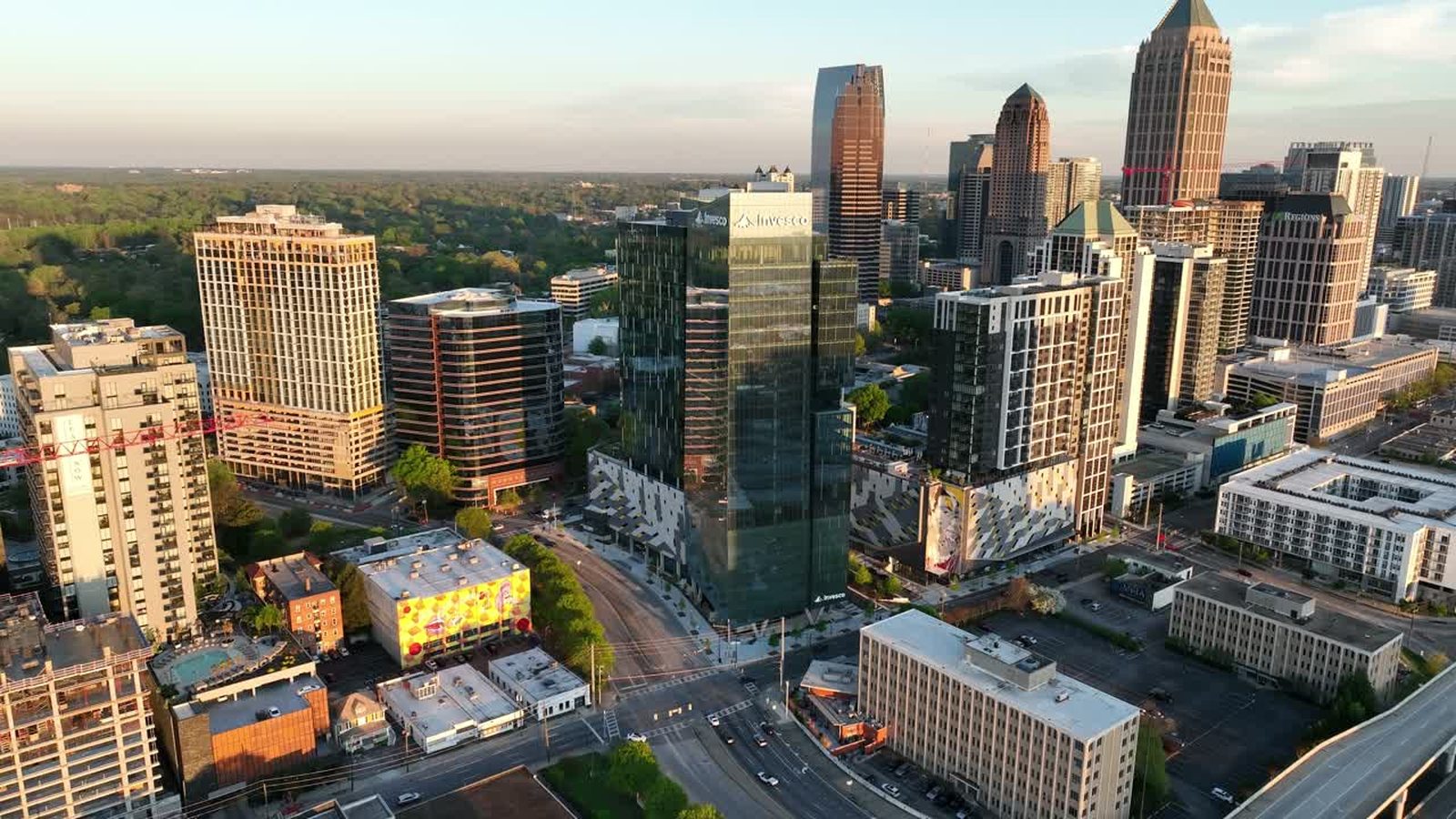
The most common first question we get is what it costs, and the most common answer in this industry is a vague one. We would rather explain how a quote is built, because once you understand the four things that move it, you can tell a fair price from a bad one no matter who you are talking to.
One, how long the aircraft is in the air
This is the part everyone expects to matter and it matters least. A battery is about twenty five minutes and we carry plenty of them. What actually consumes the day is everything around the flying: the drive, the site walk, the airspace check, the wait for a cloud to move, the second angle because the first one had a truck parked in it.
A single property from four angles in good light is a short job. The same property at sunrise and again at dusk, because you want both looks, is two mobilisations rather than one, and it prices like two.
Two, where the site sits in the airspace
Atlanta is not open sky. Hartsfield-Jackson throws controlled airspace across a large part of the south side, and downtown, Midtown, and Buckhead all sit under layers that require authorization before anyone lifts off. Most of that is handled electronically in minutes. Some of it is not, and a request that needs further coordination with the tower can take days.
A shoot near a stadium during an event, or under a low grid square, is not more expensive because we feel like charging more. It is more expensive because it requires planning that a suburban rooftop does not.
Three, what you get at the end
Raw images off the card are one product. Twenty selected, corrected, and colour matched stills are another. A ninety second edited video with music, titles, and two rounds of revisions is a different job again, and most of that work happens after the aircraft is packed away.
This is where quotes diverge most sharply, and where you should read carefully. If one number is half the other, check whether the cheaper one includes any post at all. We break that work out in how we handle post production so the line items are visible rather than buried.
Four, risk and access
Flying over an empty field is not the same as flying between two occupied towers, over a live construction site, or above a crowd at an event. Higher risk means a second crew member as a visual observer, a tighter flight plan, a documented safety brief, and sometimes a waiver. It also means the insurance certificate your general contractor asks for actually needs to exist.
Where cheap gets expensive
Georgia has plenty of people with a good drone and no certificate. They are cheaper and sometimes their pictures are fine. The costs show up elsewhere. An uncertificated pilot cannot get you a legitimate airspace authorization, which means the flight either did not happen legally or happened somewhere it should not have. If something goes wrong, an uninsured operator becomes your problem rather than theirs. And if the images end up in marketing, a client who cannot document that the flight was legal is exposed in a way that is hard to unwind later.
The questions worth asking are short. Are you Part 107 certificated. Are you insured, and can I have the certificate. How will you handle the airspace here. A professional answers all three without hesitating.
What a real quote looks like
Ours is a flat number for a defined scope, not an hourly rate that grows. It names the site, the number of setups, the deliverables, the delivery date, and the revision rounds. Weather reschedules are free, because in Georgia they are inevitable and charging for them would be absurd.
If you have a property, a site, or an event in mind, send us the details and we will come back with a number and the reasoning behind it. If the scope is wrong for your budget we will say so and tell you what to cut.