Oct 21, 2025 / Post production / 3 min read
Building a Custom LUT for D-Log Aerial Footage
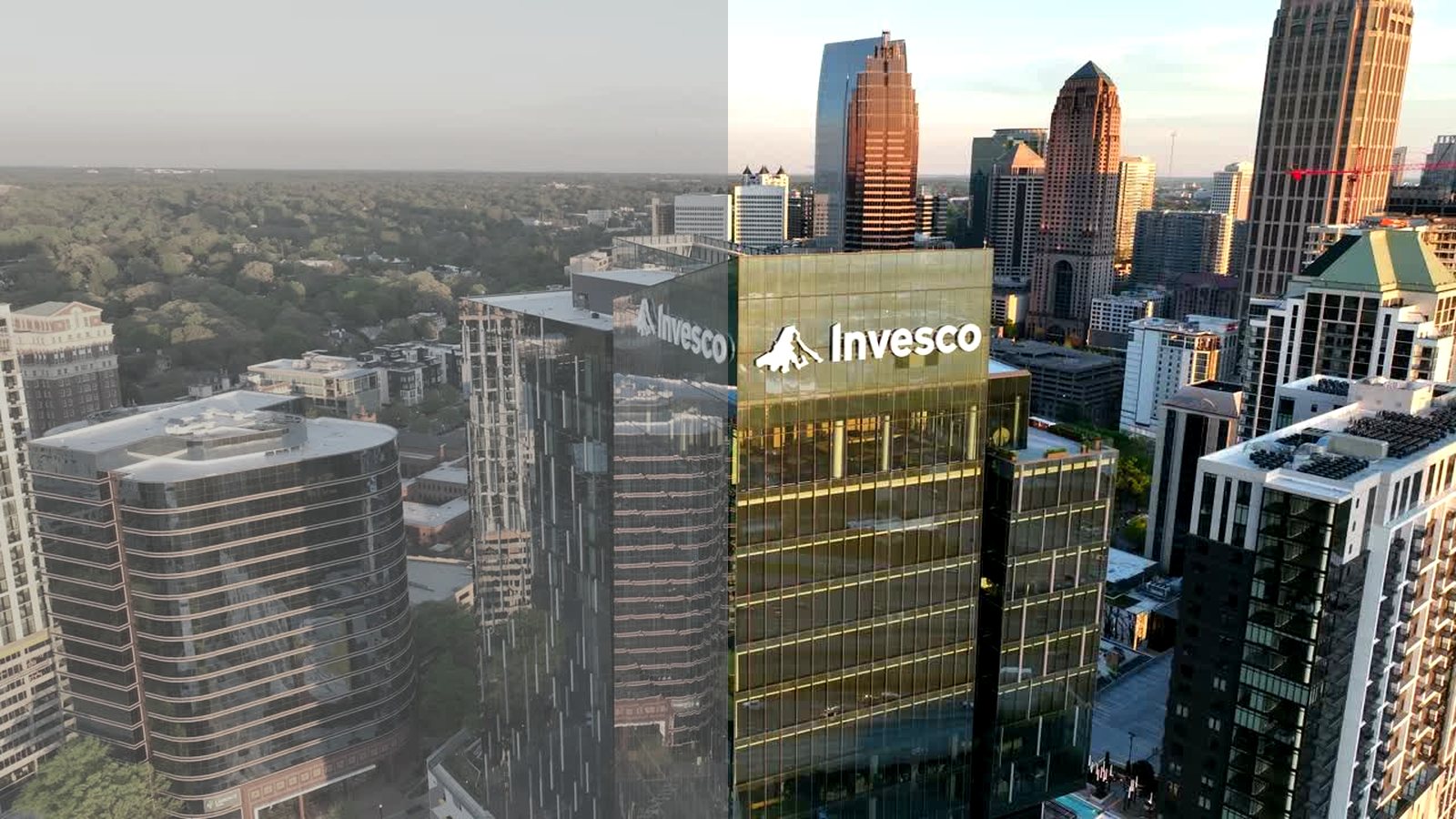
Log footage looks wrong on purpose. Flat, grey, desaturated, and holding far more information in the highlights and shadows than a normal picture profile would. The conversion back to a normal image is where that information gets spent, and most people spend it by dropping on the manufacturer LUT and moving on.
That LUT is a reasonable average. It is not built for your shot, and aerial footage is exactly where averages fail.
Why aerial log is a special case
Two reasons. The dynamic range in a single frame is enormous, because a sky and a shadowed street are in the same picture and nothing in between is blocking either. And the atmosphere is in every shot. Haze lifts the blacks, reduces contrast with distance, and shifts distant subjects toward blue, which is a physical effect no ground based footage has to deal with at the same scale.
A generic conversion crushes the shadows that the log profile worked so hard to preserve, and it treats atmospheric haze as if it were a lifted black to be pulled down, which flattens the depth right out of the frame.
The order that works
Exposure first, before any conversion. Get the mid tones where they belong in log, using a waveform rather than your eye, because a log image looks underexposed even when it is correct.
Then the conversion, either a colour space transform or the manufacturer LUT, treated as the technical step it is rather than as a look.
Then balance. Aerial footage almost always needs the distance handled separately from the foreground, and a soft mask on the horizon lets you restore contrast at distance without wrecking the sky.
Then the look, last, on a separate node or layer so it can be adjusted for the whole sequence without redoing anything underneath.
Building the custom LUT
Once that chain gives a result you like on a representative shot, bake the technical part of it, the conversion and the balance, into a LUT of your own. Not the creative look, which should stay adjustable.
Then test it against the awkward material rather than the pretty material: the shot straight into the sun, the shot at blue hour, the overcast one with no contrast at all. A LUT that only works on your best frame is a trap, because it will be applied to a whole shoot.
The point of doing this is consistency. Once you have a conversion that fits how the aircraft actually renders a scene, every project starts from the same place and colour matching between the aerial unit and a ground camera becomes an adjustment rather than an argument.
What this does not fix
Log is not a rescue for bad exposure. Underexposed log footage is noisy in the shadows, and pushing it in the grade brings that noise up faster than it brings up detail. The right amount of light happens in the air, using the right filter and shutter, not on the desk afterwards.
And log is not always worth it. On a fast turnaround job in even light, a good standard profile delivered the same day beats a log workflow delivered next week. We use log when the scene has range worth protecting or when the material has to match another camera.
For more on the finishing side, we wrote about advanced grading techniques a while back, and the fundamentals have not moved.
If you have aerial material that will not cut with the rest of your footage, we do this work for other people's rushes as well as our own.