Jul 15, 2025 / Regulation / 3 min read
Georgia HB 58 Takes Effect: No Drones Over Ticketed Events
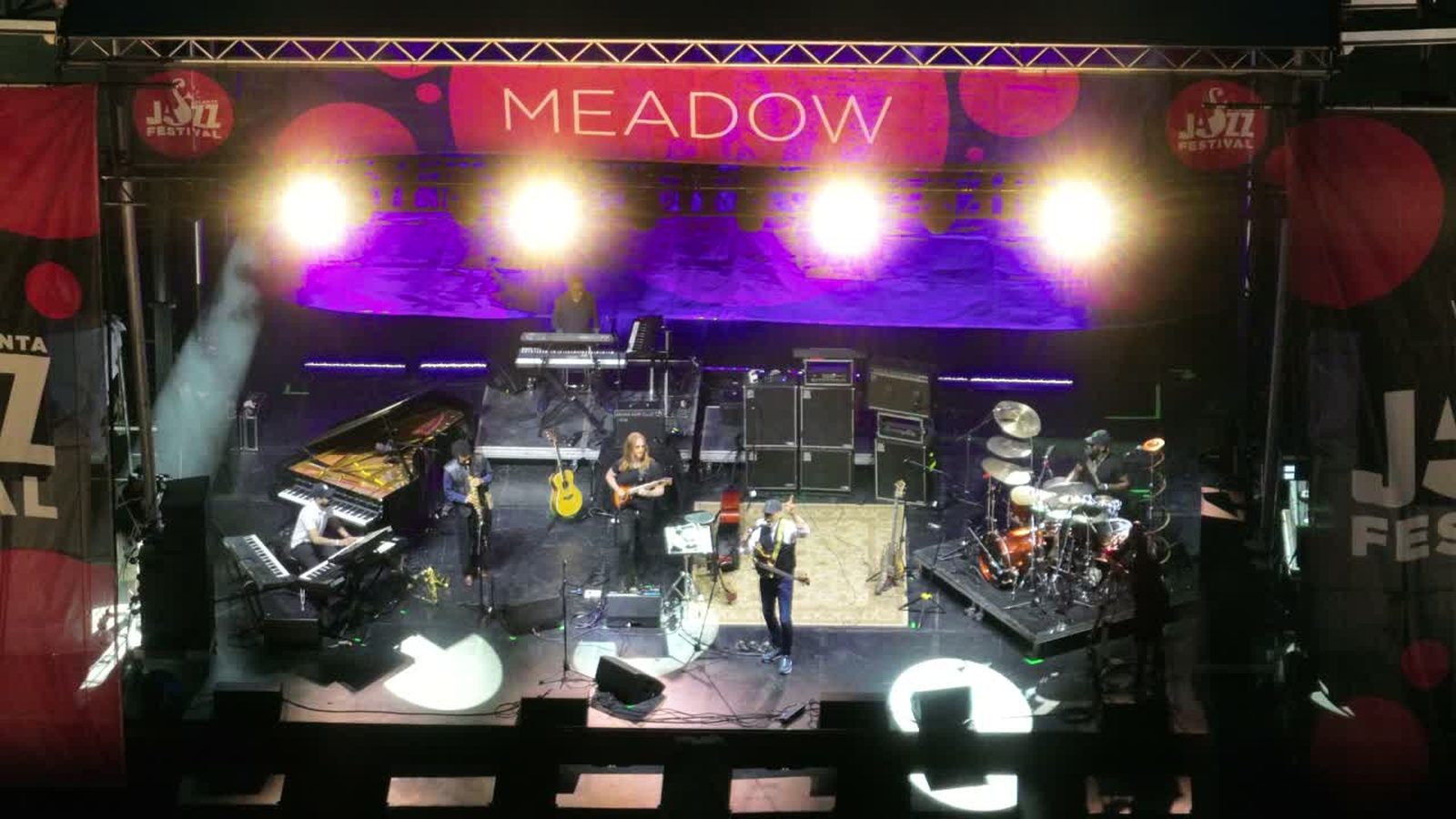
A new Georgia statute took effect on the first of this month. House Bill 58 makes it unlawful to operate a drone within four hundred feet of, or above, a ticketed entertainment event. Violation is a misdemeanour, and unlike the federal restrictions this one is enforced by state and local officers who are already at the venue.
What counts as a ticketed event
The statute is aimed at gated events where admission is granted by a revocable licence, which is the legal way of describing a ticket. In practice that covers concerts, festivals with a fence and a gate, ticketed sporting events, and similar gatherings, regardless of whether the venue is a stadium or a field.
The four hundred foot figure is doing a lot of work here. It is both a horizontal distance and, since the FAA ceiling for Part 107 is also four hundred feet, an effective prohibition on being anywhere above the event at any legal altitude.
How it interacts with federal rules
It sits on top of them rather than replacing them. Large sporting events at stadiums already carry a federal temporary flight restriction covering three nautical miles, which we covered in how stadium TFRs work. That federal restriction is larger and applies to specific leagues and stadium sizes.
HB 58 fills the gap underneath it. A ticketed concert at an amphitheatre, a festival in a park, a college event that does not qualify for a federal restriction, all of these were previously governed only by the general rules about flying over people. Now there is a state offence attached.
The one that catches commercial operators is the ordinary job that happens to be near an event. A property shoot two streets from a festival is legal on a Tuesday and potentially an offence on Saturday afternoon, and nothing about the property changed.
What this means for event coverage
Aerial coverage of ticketed events in Georgia now requires the event organiser to be part of the conversation, and it requires that conversation to happen early. Where coverage is authorised by the organiser and coordinated with the venue and law enforcement, the picture is different from a freelancer turning up and putting an aircraft over a crowd. Where it is not, the exposure is now criminal rather than administrative.
For the many events that want aerial material without any of that complication, the answer is the same as it has been. Fly before the gates open. An empty venue with the stage built and the lights on is a better establishing shot than a crowd from four hundred feet anyway, and it carries none of this risk. Load in, build, and site wide shots at golden hour before doors are where the useful footage lives.
Why the law exists
Venues and promoters have pushed for it for a while, and their concern is not photography. It is the drone that drops something into a crowd, whether through a failure or on purpose. A four hundred foot bubble is a blunt tool, and it is a rational response to a risk that has no good technical answer at the moment.
What to do if you are planning an event
Decide who is authorised to fly and when, put it in writing, and brief security so they know the difference between the crew you hired and someone who wandered in. Without that, your own contractor is the one being asked for identification by an officer in the middle of the show.
If you are planning an event in Georgia and want aerial coverage that will not put anyone in front of a magistrate, talk to us while the run of show is still being written.