Mar 18, 2025 / Technique / 3 min read
Golden Hour, Blue Hour, and the Twenty Minutes That Make the Shot
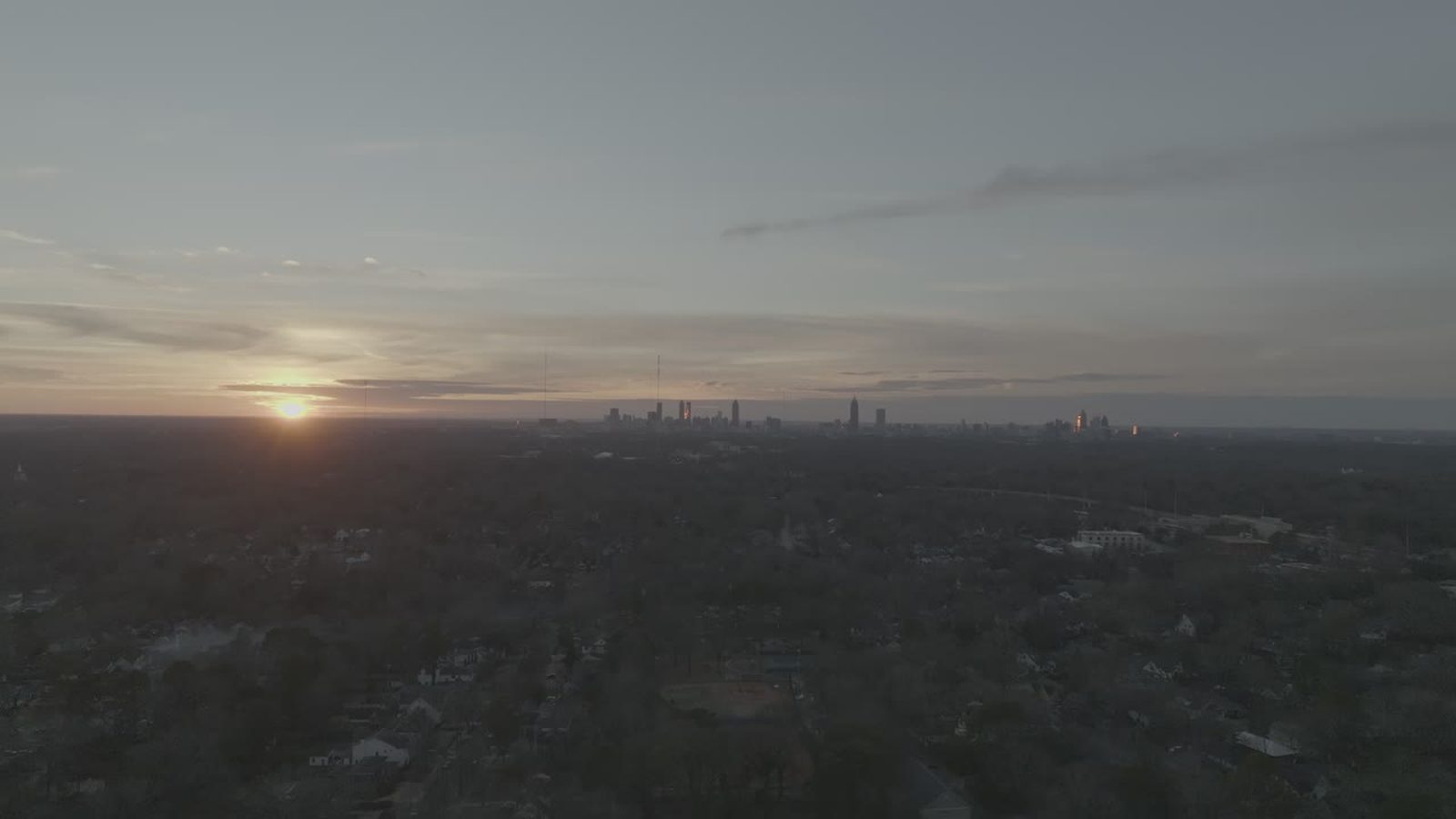
Clients often ask what aircraft we will bring. Almost nobody asks what time we will arrive, and the second question has far more effect on the pictures than the first.
Why altitude makes light matter more
From the ground, a photographer can put the sun behind a subject, wait for a cloud, or move six feet to the left. From four hundred feet, the composition is mostly the landscape itself, and the only variable that meaningfully changes it is where the sun is.
At noon, light falls straight down. Nothing casts a shadow long enough to describe its shape, roofs blow out, and the whole scene flattens into a satellite image. Aerial subjects, buildings, terrain, tree cover, are all form, and form needs raking light to be visible at all.
Golden hour
The hour after sunrise and the hour before sunset, roughly, though in Atlanta in midsummer it is closer to forty minutes and in winter it stretches. Low sun means long shadows, which give buildings depth, and warm colour temperature, which flatters brick, wood, and the red clay that shows through every construction site in Georgia.
It also means one side of everything is dark. That is a compositional decision rather than a problem, and it is the reason we care which side of a property the drive is on before we schedule.
Blue hour
The twenty five minutes or so after the sun has gone. The sky holds a deep blue that a camera renders beautifully, and building lights, streetlights, and headlights are already on. This is the only window where you can expose the sky and the artificial light in the same frame without one of them failing.
It is short, it moves fast, and there is no second attempt on the same evening. Everything has to be scouted, set up, and ready before it starts, which is why blue hour shoots involve more standing around than flying.
The Atlanta specifics
Summer light here is brutal from ten in the morning until late afternoon, and the humidity puts a haze on any long lens shot toward the skyline. Morning is usually clearer than evening for city views, because the day's haze has not built yet.
Autumn is the best season for property and landscape work, since the tree cover carries colour and the air is dry enough to see distance. Winter gives you the longest usable light of the year, low sun for hours, at the cost of bare trees, which suits architecture and does nothing for residential listings.
Planning around it
We work backwards from the light. Sunrise and sunset times, the sun's azimuth on that date so we know which elevation gets lit, and then the airspace and access questions. On a site that only works in evening light, an early booking is not us being difficult, it is the difference between the picture the client imagined and a flat one.
Weather is the wildcard, and thin high cloud is a gift rather than a setback. It softens shadows and picks up colour at sunset, and some of the best skies we have shot came from days that looked unpromising at lunchtime. Flat grey overcast is the one to reschedule, along with anything that makes the trip pointless, which we covered in planning around Georgia weather.
If your project has one chance at the light, talk to us early and we will build the day around the window rather than around the calendar.