Jul 21, 2026 / Post production / 3 min read
Cutting a Ninety Second Reel From Three Hours of Aerial Footage
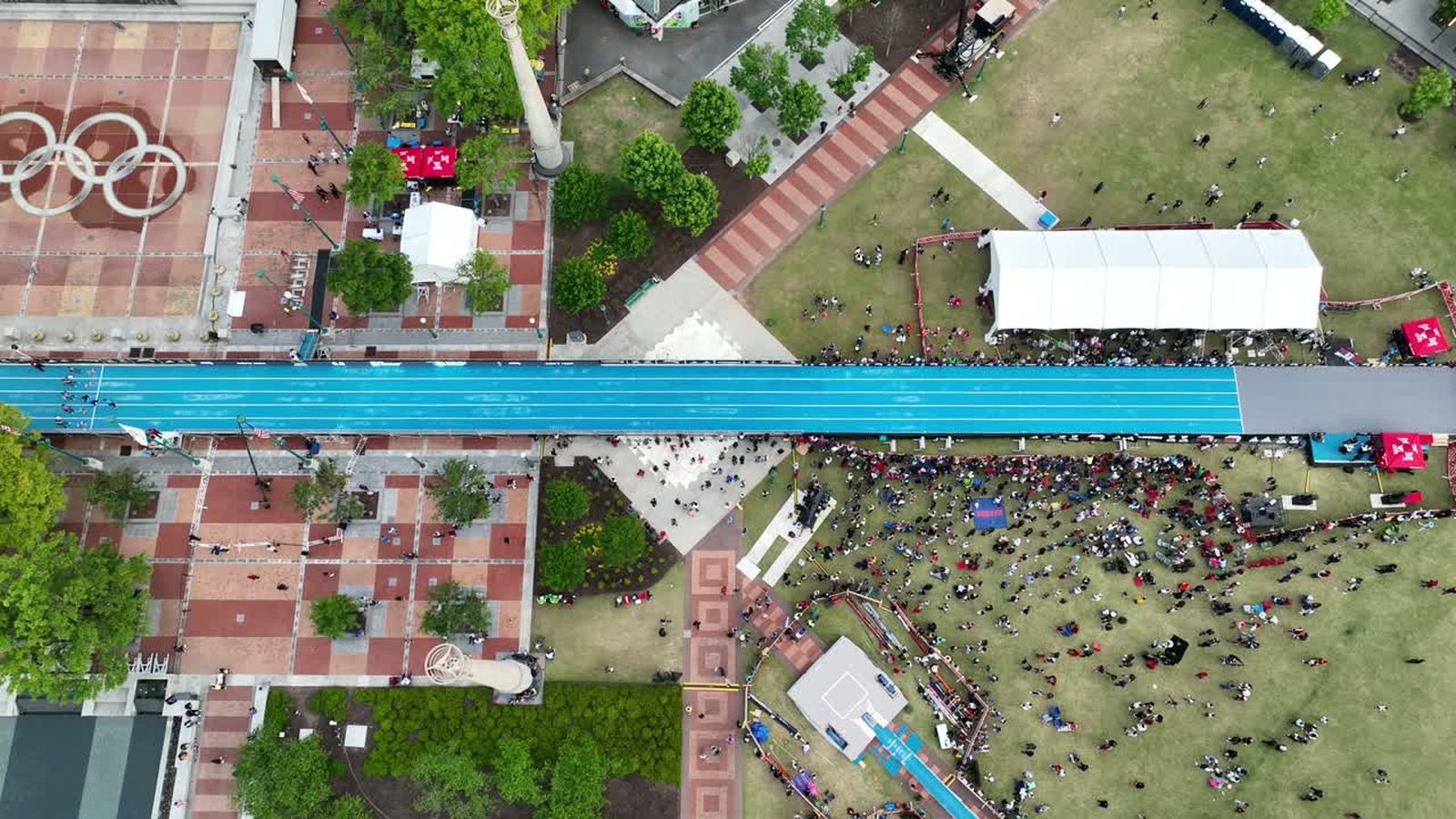
A full shoot day produces two to three hours of aerial material. The deliverable is usually somewhere between sixty and ninety seconds. That ratio is the actual job, and it is a job of elimination rather than of assembly.
The first pass is brutal and fast
Watch everything once at speed and mark only what is unambiguously good. Not what might work with stabilisation, not what could be saved by a crop. Anything requiring a sentence of justification is not a hero shot.
On a typical day that leaves twenty to thirty clips out of a couple of hundred. That is the right number to feel uncomfortable about, because a first pass that keeps sixty clips is a first pass that has not made any decisions.
Structure before pacing
Almost every aerial piece is one of three shapes. Arrival, where you start wide and distant and work in toward the subject, which suits properties and destinations. Reveal, where you start tight on a detail and pull out to context, which suits sites with a surprising surround. Or journey, where the piece moves along something, a road, a river, a corridor.
Pick one and commit. A cut that arrives, then reveals, then wanders down a road, is three ideas competing, and viewers feel that as aimlessness even when every individual shot is beautiful.
Direction is continuity
Aerial shots have momentum, and successive shots moving in opposite directions read as a jolt. Group them: a run of shots moving left to right, then a deliberate change at a structural point in the piece.
The same applies to altitude. Cutting from four hundred feet to twenty and back to four hundred disorients. Descending through a piece is intuitive and reads as arrival. Rising reads as departure, which is why almost every aerial edit ends on a climb.
Shot length
Aerial shots are slow, and cutting them like a montage kills them. Three to six seconds is the working range for a moving aerial. Under three the eye has not finished reading the frame. Over eight, unless something is developing inside the shot, attention drifts.
The exception is the opening shot, which can run longer because the audience is still orienting, and the final shot, which can run until the music resolves.
Music, and the argument about it
Cut to the music from the beginning rather than laying it over a finished edit. Aerial footage has no dialogue and no natural sound worth keeping, so the music is carrying the structure whether you planned for that or not.
Licensing matters here more than people expect. Client footage set to a track nobody cleared is a problem that surfaces months later when marketing wants to run it as an ad, and the fix at that point is a re edit. Sort it at the start.
What always gets cut
The takeoff and the landing. The shot the client specifically asked for that turned out not to work. Anything with a visible horizon tilt. The second and third versions of a move that is already in the piece. And the technically impressive shot that does not serve the story, which is the hardest one, because it is usually the one that took the longest to get.
Keeping it means the piece is now about the flying rather than about the subject, and the client noticed the subject was missing without being able to say why.
The grading and cleanup that follow are their own discipline, covered in building a custom LUT and rescuing imperfect clips.
If you have footage sitting on a drive that nobody has had time to cut, that is work we do.