Apr 21, 2026 / Working with us / 3 min read
Insurance, Waivers, and Safety Plans: What a Professional Crew Brings
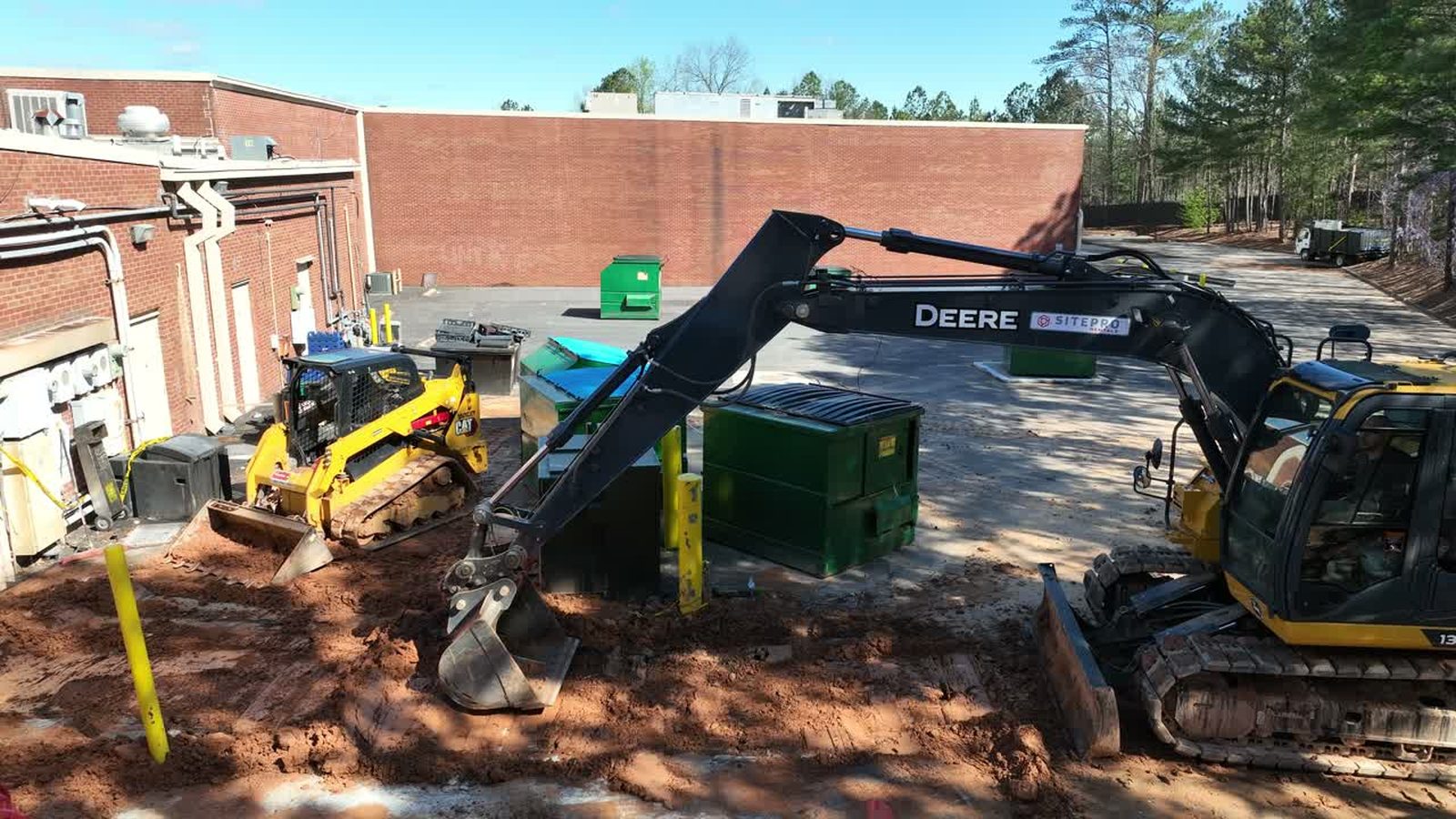
The flying part of this job is the part clients think about. The part that decides whether we are allowed on an active site is a folder of documents, and it is worth explaining what is in it, because most people asking for a certificate of insurance are not sure what they are asking for.
Aviation liability, not general liability
A standard business liability policy almost always excludes aircraft. That exclusion covers drones, which means an operator carrying only general liability is, for the purposes of the flight, uninsured.
What you want to see is a policy written for unmanned aircraft, with a limit appropriate to the site, naming the aircraft or the operation. On most commercial sites a million dollars is the floor, and larger projects specify more. If the client requires it, the policy should be able to name them as additional insured for the job, which is a routine request that a real broker turns around in a day.
Hull coverage on the aircraft itself is the operator's business rather than the client's. If we destroy our own aircraft that is our loss to absorb.
What a waiver is and is not
A waiver is FAA permission to do something Part 107 otherwise prohibits: flying over people, flying multiple aircraft with one pilot, operating beyond visual line of sight. It is granted for defined conditions, it names the operator, and it comes with limitations printed on it.
Two things worth knowing. Airspace authorization is not a waiver, it is routine permission to use controlled airspace, which we covered in LAANC in Atlanta. And a waiver held by one operator does not extend to another, so a subcontractor flying under somebody else's approval is flying without one.
The safety plan
On any site with people and moving equipment, the flight gets a written plan before it gets scheduled. Ours covers the flight area and the boundaries we will not cross, the takeoff and landing zones and how they stay clear, the maximum wind and the weather that ends the day, who holds authority to stop the flight, what happens on a lost link or a low battery, where the aircraft goes if it has to come down in a hurry, and who gets called if something happens.
It is a page, not a binder. The point is that the decisions are made in advance rather than by a pilot improvising under pressure.
Why contractors ask
Because they carry the liability for everything that happens inside their fence. An uninsured operator on site is an exposure that lands on the general contractor and eventually on the owner. Site safety officers are not being obstructive when they ask for documents, they are doing the job they will be judged on if anything goes wrong.
The crews that find this frustrating are usually the ones without the paperwork. A professional operation has the certificate, the certificate of insurance, the airspace authorization, and the plan in one email before anyone asks.
What to ask for
Four documents, every time. Remote pilot certificate. Certificate of insurance with the limit and, if you need it, your entity named. Airspace authorization for that site and date, or a clear explanation of why none is required. The site specific safety plan.
Any operator who cannot produce all four within a day is telling you something. We covered the hiring conversation more broadly in five questions before hiring a drone pilot.
Send us your site requirements and we will have the folder to your safety officer before we have quoted the job.