Dec 17, 2024 / Industry / 3 min read
Mystery Drones and Public Nerves: What the Sightings Mean for Working Pilots
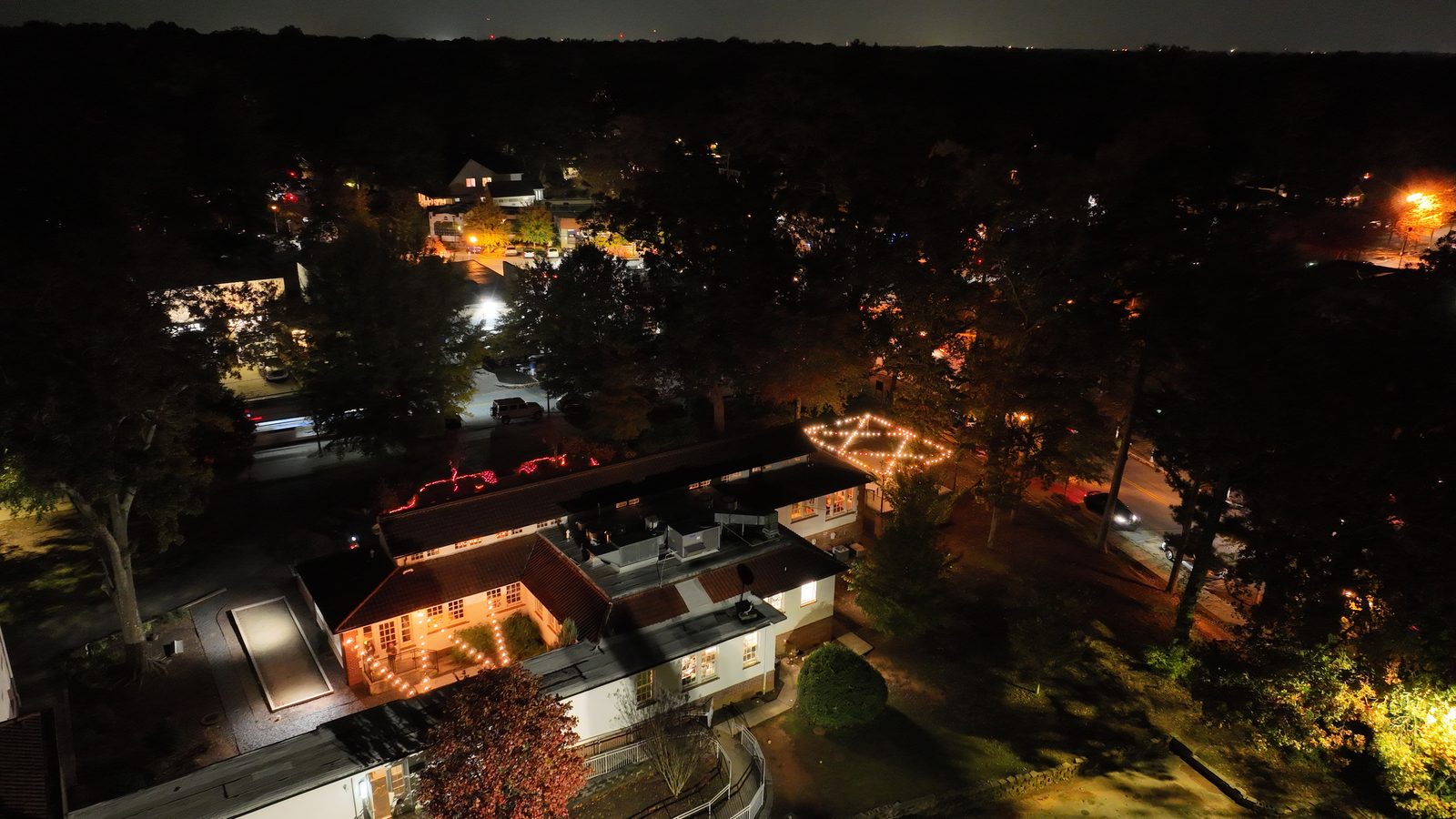
For the last five weeks the country has been looking up. Reports of large drones over New Jersey spread to New York and Pennsylvania, then everywhere, and the story went from a local curiosity to congressional hearings and a lot of confident explanations from people with no information.
We fly for a living, mostly in Georgia, and this affects us in a specific and practical way: every person who calls the police about a drone this month is calling about somebody, and sometimes that somebody is a crew doing legitimate work on a job site.
What the reports probably are
The federal agencies that looked at this said most of the sightings were manned aircraft, and anyone who has stood in a field at night trying to judge the size and distance of a light in the sky will find that plausible. Human beings are terrible at estimating altitude and scale in the dark, and a light aircraft on approach at a few thousand feet reads to the eye as a large hovering object.
Some reports were hobbyist drones, and there were more of them each night as people went out to look for drones, which is a feedback loop rather than a mystery. And a smaller number of confirmed unauthorised incursions over sensitive sites are a genuine security problem that predates this news cycle by years.
The uncomfortable part of the official response was not the explanation. It was how long it took, and how visibly nobody was in a position to say with authority what was flying over a populated area.
Why this matters to commercial crews
Public tolerance is an operating condition. A crew flying a roof inspection in a suburb depends on neighbours deciding, correctly, that this is somebody doing a job. When the news cycle has spent a month suggesting that unidentified drones are a threat, that assumption inverts.
We have already seen it. More questions on site, more phone camera footage of our aircraft, more property managers asking for paperwork before a flight that would have been waved through in October. None of that is unreasonable and all of it costs time.
How we handle it
Visibility, mostly. Marked vehicle, high visibility vests, a printed copy of the authorization and the certificate, and a crew member whose job is partly to talk to whoever walks up. Where a flight is over a residential area we tell the immediate neighbours what is happening before the aircraft leaves the ground, which almost always ends the conversation before it starts.
The other half is Remote ID, which arrived at exactly the right moment. Anyone with a receiver app can see that our aircraft is broadcasting and where it launched from. A year ago the honest answer to who is flying that was nobody knows. Now there is an answer, and the aircraft that do not broadcast stand out.
What is likely to follow
Expect legislative attention. When the public is nervous and an election has just finished, the response tends to be new restrictions on the operators who were already following the rules, since those are the ones a rule can reach. Detection and counter drone authority for local agencies is the most likely direction, and there are reasonable versions of that and unreasonable ones.
For clients the practical takeaway is small but real. Hiring a crew that is certificated, insured, broadcasting, and comfortable talking to a curious neighbour is now part of protecting your own project from delay, not just a box to tick. We laid out the questions worth asking in five questions before hiring a drone pilot.
Talk to us if you have work planned and you would rather it went quietly.